
Anbernic RG Vita vs RG Vita Pro: Vita Nostalgia Meets Modern Retro Emulation
If you grew up with Sony's PlayStation Vita, you know the magic of that sleek, portable design — the comfortable grip, the OLED screen (on the original models), and the promise of high-quality handheld gaming. Anbernic has tapped directly into that nostalgia with the RG Vita and RG Vita Pro, two Android-powered handhelds that wear their PS Vita inspiration on their sleeve. But do they live up to the name, or are they better thought of as "RG PSP" devices with a stylish shell?
I spent time with both models to see how they handle everything from classic 16-bit titles to PSP gems and beyond. Here's my honest take.
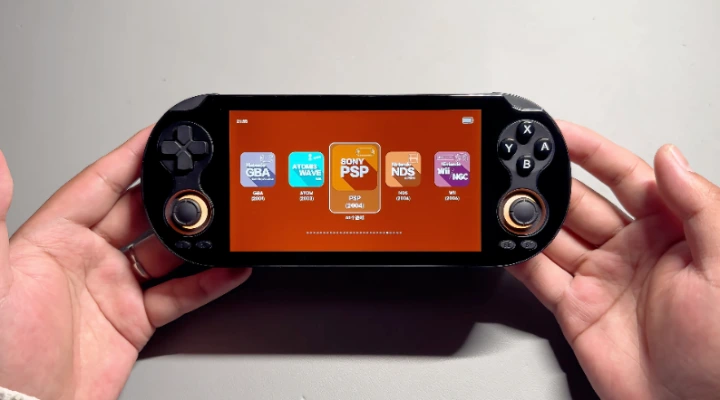
Design and Build: Pure Vita Vibes (With a Few Compromises)
Both the RG Vita and RG Vita Pro nail the aesthetic. They feature a similar form factor to the original PS Vita: rounded edges, a prominent front screen, and that familiar handheld feel in the hands. The standard model comes in Black or Retro Gray, while the Pro offers a sleek Black or crisp White finish that looks premium in person.
- Weight and ergonomics: They're lightweight and comfortable for long sessions. The back is nearly flat, which some might prefer for stability, though it lacks the subtle curves of the real Vita.
- Controls: You get Hall effect analog sticks (great for precision and no drift), a membrane D-pad, face buttons, and shoulder triggers. The shoulder buttons feel surprisingly good — some of the best Anbernic has offered. No rear touchpads like the original Vita, but the touchscreen handles most navigation needs.
- Build quality: Solid for the price range, though there's a slight hollow feel common in many Anbernic devices. No major creaks or flex, but it doesn't scream "premium" either.
Overall, if you loved holding a Vita, these will feel instantly familiar and welcoming.
Display: The Big Upgrade on the Pro
This is where the two models diverge noticeably:
- RG Vita: 5.46-inch IPS INCELL touchscreen at 1280x720 (720p). It's bright, with decent colors and good viewing angles. However, some users report minor oversharpening or halo effects that can make images look a bit artificial in certain games.
- RG Vita Pro: 5.5-inch IPS INCELL touchscreen bumped up to 1920x1080 (1080p). The higher resolution delivers sharper visuals, especially noticeable in PSP games, upscaled retro titles, and Android apps. It feels more modern and immersive.
Both are 60Hz panels with a 16:9 aspect ratio, making them ideal for widescreen content like PSP and many emulated systems. The Pro's screen is the clear winner for anyone who values clarity and future-proofing.
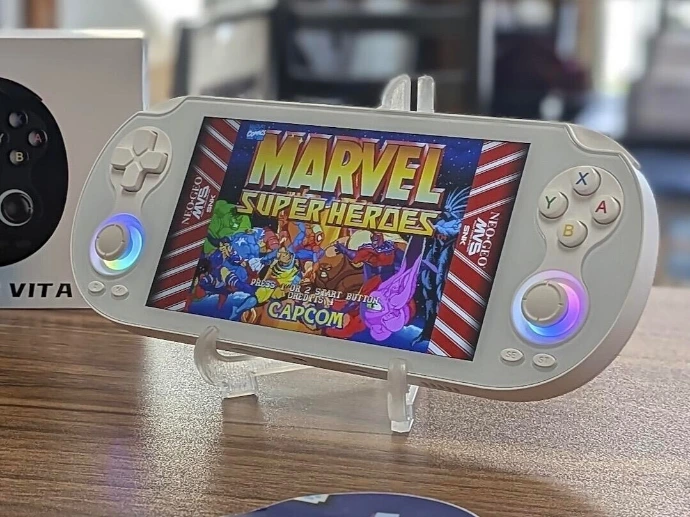
Performance: Solid for Retro, But Manage Your Expectations
Here's the hardware breakdown:
- RG Vita: Unisoc Tiger T618 processor, Mali-G52 MP2 GPU, 3GB RAM, 64GB internal storage (expandable via microSD up to 2TB), Android 12.
- RG Vita Pro: Rockchip RK3576 (4x Cortex-A72 + 4x A53 up to 2.2GHz), Mali-G52 MC3 GPU, 4GB RAM, 64GB storage (expandable), dual-boot Android 14 + 64-bit Linux, Wi-Fi 6, Bluetooth 5.2.
Emulation performance:
- Both excel at older systems: Game Boy, GBA, SNES, N64, Dreamcast, and especially PSP — these handhelds shine here with smooth, upscaled gameplay.
- PS1, Saturn, and most 2D/early 3D titles run flawlessly.
- PS Vita emulation: This is the biggest letdown for a device named "RG Vita." The standard model struggles with many Vita titles (playable but often with compromises). The Pro does better thanks to the stronger chipset and extra RAM, running a decent selection of lighter Vita games smoothly, but it's still not a true replacement for original hardware or higher-end emulators on more powerful devices.
- PS2 and GameCube: Hit-or-miss. The base Vita handles lighter titles at reduced resolution or with tweaks. The Pro pushes further (closer to 2x native in some cases) but isn't a powerhouse for demanding 3D games. Wii and 3DS remain mostly out of reach or require heavy optimization.
The Pro also supports video output via USB-C (DisplayPort up to 1080p), making it nice for TV play or dual-screen experiments. Both include built-in AI features like real-time translation and game guides, which are a fun modern touch.
Battery life hovers around 6-8 hours depending on the game and brightness, thanks to the 5000mAh cells. Charging is via 18W USB-C.
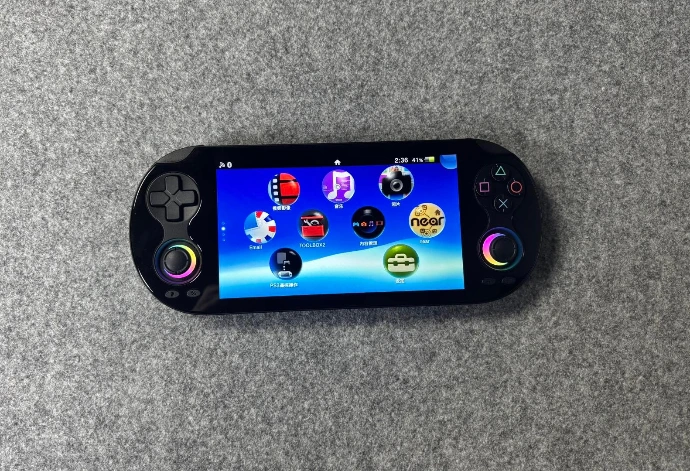
Software Experience
- RG Vita: Straight Android 12. Clean enough for sideloading emulators, streaming apps (like Moonlight or Chiaki), and Android games. It's straightforward but feels a bit dated.
- RG Vita Pro: Dual-boot Android 14 or Linux. This is a standout feature — switch between a modern Android environment and a more emulation-focused Linux setup (like KNULLI or similar custom distros). It adds flexibility for tinkerers.
Both support massive ROM libraries via microSD, and the touchscreen makes menu navigation easy.
Who Should Buy Which?
Anbernic RG Vita (budget pick):
- Great if you're mainly into PSP, Dreamcast, and everything older.
- Affordable entry into a Vita-style handheld with Android versatility.
- Best for casual retro fans who don't need cutting-edge power.
Anbernic RG Vita Pro (recommended upgrade):
- Worth the extra cost for the sharper 1080p screen, better performance, dual OS, and future-proofing.
- Ideal if you want stronger PSP/Vita/PS2 potential and the ability to tinker with Linux.
- Still not a "Vita killer" for heavy emulation, but a very enjoyable daily driver.
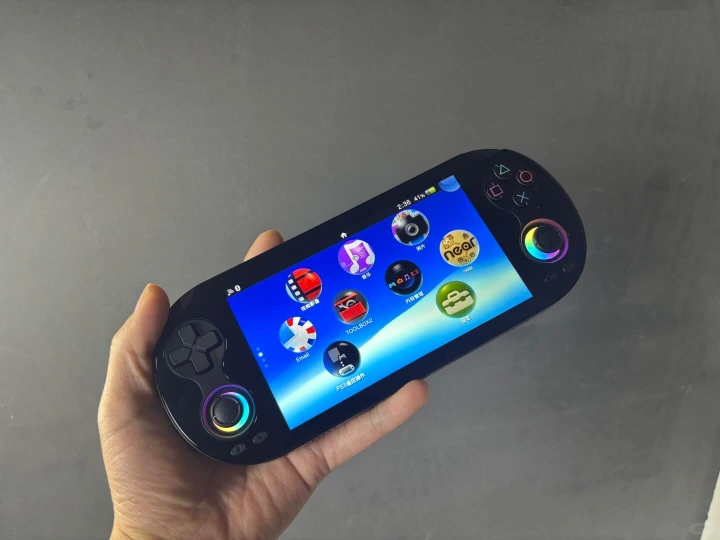
Final Verdict
The Anbernic RG Vita and RG Vita Pro are charming, nostalgic devices that capture the spirit of the PS Vita without trying (and failing) to perfectly replicate its library. They deliver excellent PSP and retro performance in a comfortable shell, with the Pro pulling ahead thanks to its superior screen and chipset.
If you're a Vita fan looking for a modern handheld that evokes those memories while playing your massive retro collection, these are worth considering — especially the Pro. Just temper expectations on high-end emulation. They're not the most powerful handhelds on the market, but they're fun, portable, and surprisingly capable for what they are.
Would I recommend them? Yes — particularly if the price is right and PSP/Vita nostalgia is your jam. They're not perfect, but they put a big smile on my face during testing.
What do you think — Vita revival success or just a stylish PSP machine? Drop your thoughts in the comments!